Filters


Understanding different events
Limpopo

Introduction of the Groom
This function is done by the Bride's family, where the Groom is introduced to the family, extended family and the community.
This function is significant because its helps even distant relative and community to know the groom.

Izibizo Morning of the 25 April 2026
Is a traditional Zulu ceremony centered on gift-giving, specifically from the groom's family to the bride's family. Izibizo is not a commercial transaction but a ritual of building relationships, showing respect, and formally integrating two families. They serves as a celebratory conclusion to the lobola process and a gesture of goodwill before the wedding.
It is a way for the groom's family to thank the bride's family for raising their daughter well and for agreeing to the marriage. The act of giving and receiving cements the new relationship between the two families. It moves them from being negotiators to being in-laws (abakwenyana).
A significant portion of the gifts are specifically for the bride and her mother. This acknowledges the mother's role and the "loss" of her daughter to a new household.

Blending Heritage with Contemporary Life Afternoon of the 25 April 2025
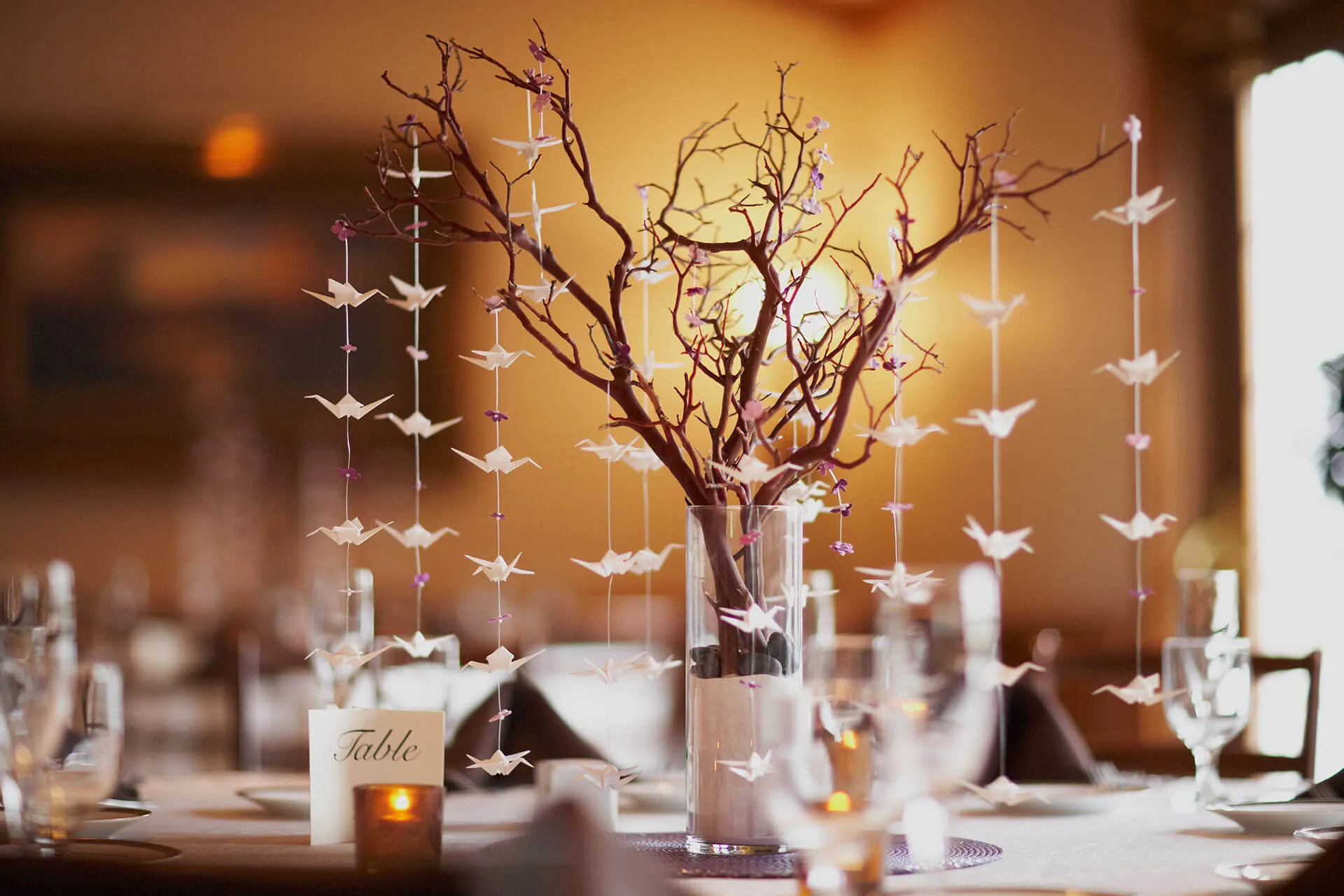
The Modern Traditional Event
Is a celebration where cultural roots are fussed with modern, personal expression. It's not a rejection of tradition, but a reinterpretation of it, creating a unique and meaningful experience that honors the past while firmly living in the present.
KwaZulu Natal

Ingqiba Masondo / Umbondo Morning of the second May 2026
Is a traditional Zulu ceremony performed by the bride and her family for the groom's family. It marks a crucial step after the lobola negotiations have been completed.
The name translates to "the closing of the wheels/hoof prints." The powerful symbolism is that the bride, by performing this ceremony, is "closing the hoof prints" of the cattle that were given as lobola. This prevents the cattle from "finding their way back" to groom's family home, symbolically finalizing the transaction and ensuring the marriage is stable and permanent. It signifies that the bride has been fully and irrevocably integrated into her new family.
The central act of the Umbondo is the presentation of gifts, predominantly food and household goods, from the bride's family to the groom's family.

Udwendwe/Isigcawu to Umabo Afternoon of the second May 2026
Is a traditional Zulu wedding ceremony that marks the formal introduction and incorporation of the bride into the groom's family and clan. It is a deeply spiritual and symbolic rite of passage.
Isigcawu is the first ceremony at the groom's home where the bride is welcomed and confess her love for the groom in front of the community, signifying that she was not forced. It involves celebration, singing, and dancing to introduce her to her new neighbors and social circle.
This is followed by Umabo: the ceremony where the bride formally presents herself and her gifts to the groom's immediate family. Blankets are a central part of the gifts, mirroring those given by the groom's family during the Izibizo. This act reciprocates respect and solidifies the bond between the families, as the blankets symbolize warmth, care, and protection.

Modern Tradition Celebrations
After all is done, the bride celebrate being the part of her new family officially, this will be done in a modern traditional way, be free to express your attire.